Travel Planner
“Spirit of the Northwoods”
Episode #2308 Travel Planner
Join us as we explore the untamed side of Michigan, where towering moose roam northern forests and elusive wolves remind us that true wilderness still exists. High above the landscape, we visit Copper Peak Ski Flying Hill, We also discover the rich traditions of a Native American fishery.

Comments
Tell us what you thought of this episode and get information about the areas featured by filling out the comment form
Comment Form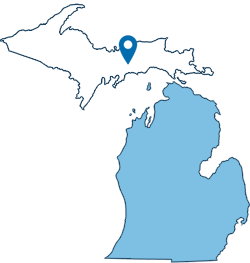
Michigan's Upper Peninsula

Gray Wolves in Michigan
Location: Michigan, USA
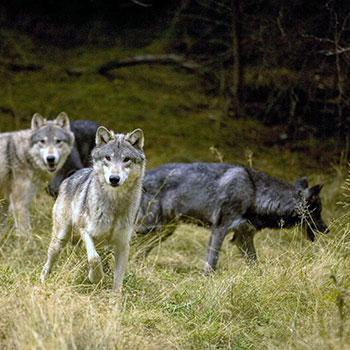
Wolves are native to Michigan and currently found in the Upper Peninsula. Wolves in Michigan generally weigh about 70-80 pounds and are about 6 feet long. They are an apex predator with tremendous speed and stamina. Wolves were eliminated in the Lower Peninsula by the 1930s and nearly disappeared from the U.P. in the early 1960s.
The U.P. wolf population has exceeded state and federal recovery goals for more than 20 years. In 2024, a DNR survey of wolf tracks estimated the minimum wolf population at 768 animals. The DNR is conducting a research project using field cameras as another method to estimate the wolf population that is not reliant on snow cover. On Oct. 29, 2020, the Fish and Wildlife Service announced it was removing gray wolves from the federal list of threatened and endangered species in the lower 48 states. The action took effect on Jan. 4, 2021. Then, in February 2022, a federal court ruling put wolves in Michigan back on endangered species list, where they remain today.
- Wolves in Michigan [Michigan DNR]
Michigan Department of Natural Resources
Location: Michigan, USA
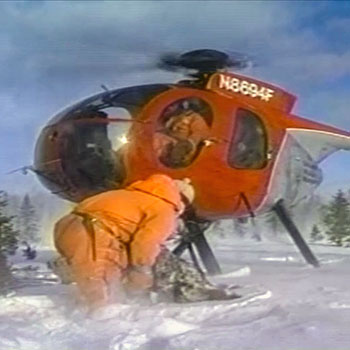
The Michigan DNR is committed to the conservation, protection, management, use and enjoyment of the state's natural and cultural resources for current and future generations. To come up with another estimate of Michigan’s wolf population, the Department of Natural Resources and partners embarked on a multi-year research project using remote camera surveys in 2022. As a pilot test, researchers set up 200 motion-triggered field cameras along secondary roads and snowmobile trails in the central Upper Peninsula. Individual wolves were identified from the downloaded photos using AI-assisted technology and human review. Following the successful 2022 pilot, researchers set up more than 1,300 remote cameras throughout the U.P. – roughly one camera every 16 square miles. Photos are being downloaded and analyzed annually through 2027 as part of the research project
Sporadic breeding and occasional immigration of wolves from more secure populations in Ontario and Minnesota likely maintained the small number of wolves in the U.P. In March 1974,four wolves from Minnesota were released in Marquette County but all died as a result of direct human activities. In the late1980s, wolves likely from Minnesota and Wisconsin began to re-colonize the western and central portions of the U.P. Michigan's wolf population grew fairly steadily until 2011 when it stabilized.
- Michigan DNR
- Wolf History [Michigan DNR]
Moose in Michigan
Location: Michigan, USA
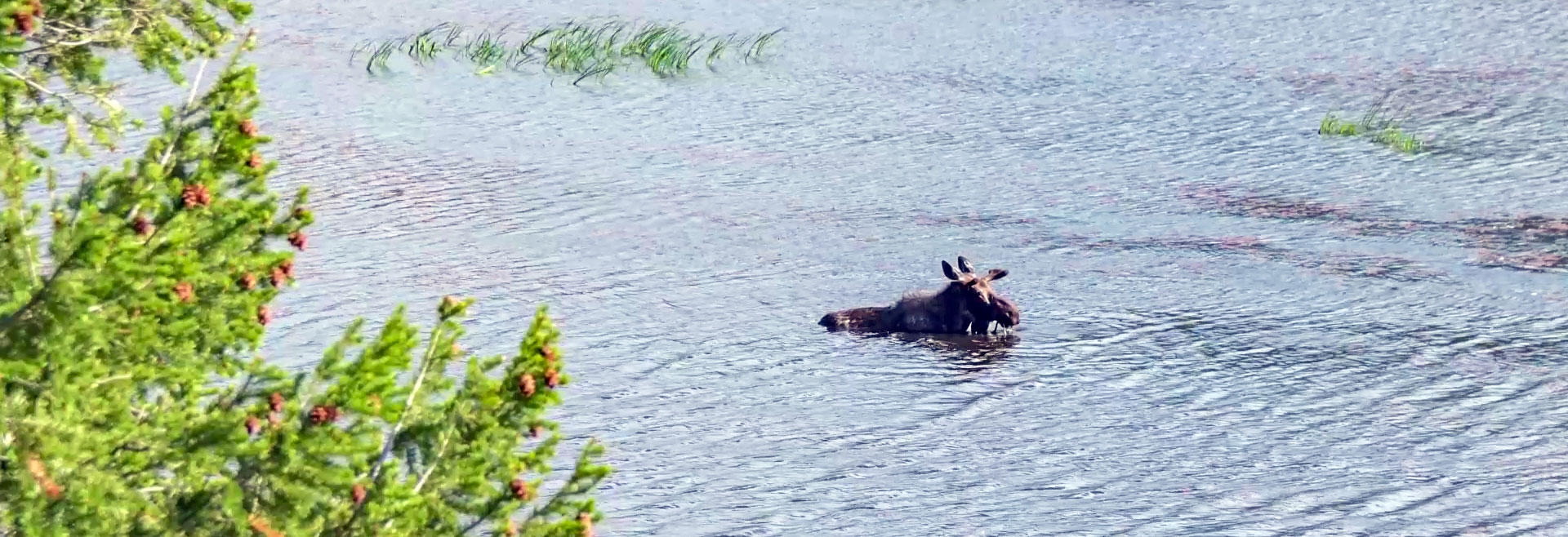
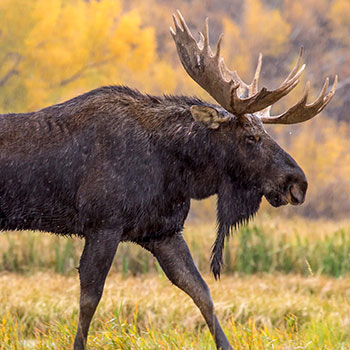
Moose are native to Michigan and are most commonly found in the western Upper Peninsula, where they inhabit remote, forested areas. Standing over six feet tall at the shoulder and weighing up to 1,000 pounds, moose are the largest member of the deer family and an iconic symbol of Michigan’s northern wilderness. They play an important ecological role as large herbivores, helping to shape forest structure and plant communities. Michigan's moose population declined significantly in the late 1800s, but a reintroduction effort in the 1980s helped reestablish their presence in the Western U.P. Today, researchers continue to study the population to better understand moose health, survival, and long-term conservation needs.
- Moose in Michigan [Michigan DNR]
- History of Moose in Michigan [Michigan DNR]
Native American Commercial Fishing
CARL & DON FRAZIER WHOLESALE
Location: Arbor Ave & Main Street, Naubinway, MI
Phone: (906) 477-6027
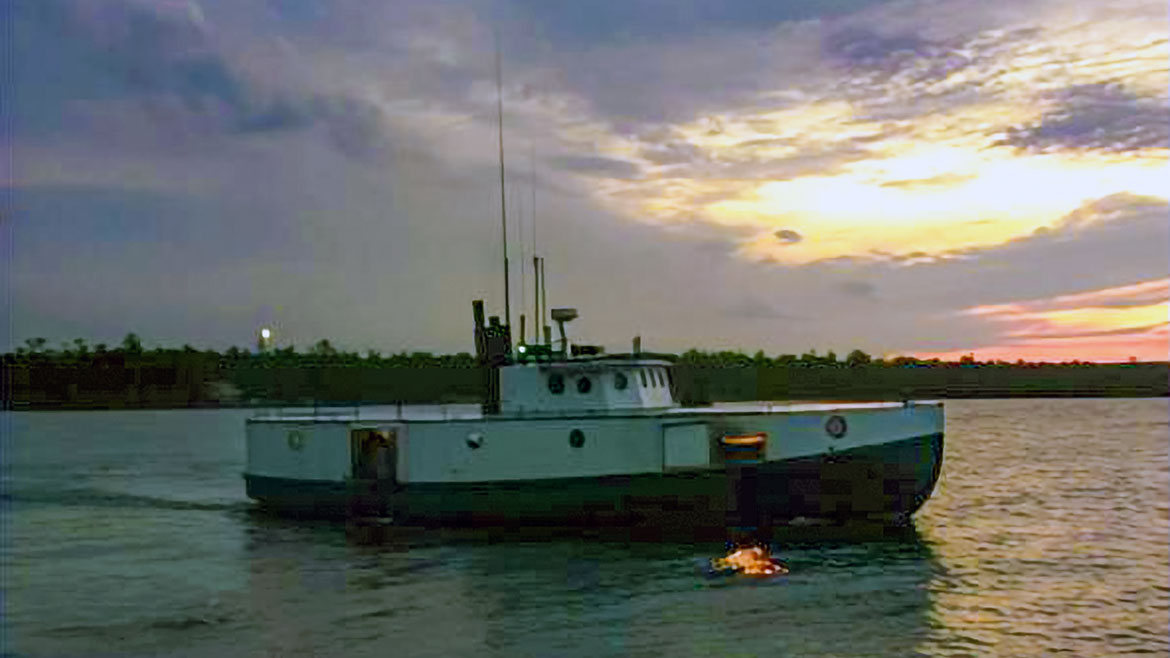
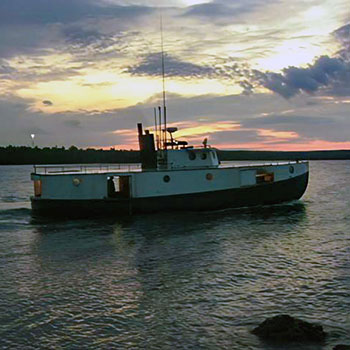
Carl & Don Frazier Wholesale is a historic, family-owned commercial fishery and fish market located in Naubinway, Michigan. Established as a corporation in 1986 by brothers Carl and Donald Frazier, the company has deep generational roots tracing back to part-time Great Lakes fishing operations in the 1920s. They specialize in catching, processing, and distributing premium Great Lakes whitefish, salmon, and trout for wholesale and retail markets.
The fishing families that followed the loggers and lumber barons in Naubinway have managed to sustain their livelihood, but not without significant struggles. The Frazier brothers--Carl, Don and Allen--are from such a family, determined to wrest a living from the lakes and from government regulators who implement legal consent decrees and can determine who can fish commercially and where. At first they fished gill nets, but switched to trap nets when the Bureau of Indian Affairs required it. “We had the boats paid off and thought we were going to be able to save some money for a rainy day or retirement. But they disqualified us from fishing by rejecting our tribal documentation, and it took more than 10 years and lots of money to be recognized. Now we’re adopted members of the Sault tribe,” Carl says. “It’s great to be back on the water, almost like being reborn,” he adds. “We love fishing; it’s hard to get it out of your blood. Fishermen are the most independent people in the world.”
- Frazier Family Profile [Great Lakes Fisheries Heritage Trail]
Copper Peak Ski Jump
Location: N13870 Copper Peak Road, Ironwood, MI
Phone: (906) 932-3500
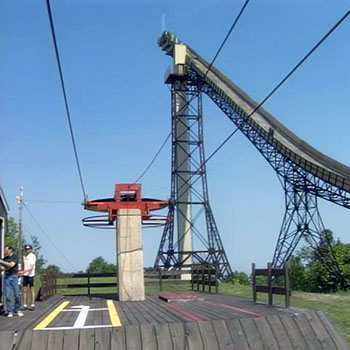
Copper Peak is a ski flying hill designed by Lauren Larsen and located near Ironwood, Michigan, United States. It was built in 1969 and inaugurated one year later. The site was listed on the National Register of Historic Places in 1973 and designated a Michigan State Historic Site in 1971. The site is currently used as a summer tourist attraction. This 469-foot ski-jumping hill sits at the top of Chippewa Hill, a volcanic outcrop that rises 360 feet above the surrounding area. From spring to late fall, visitors have the opportunity to ride up to the top of Copper Peak and experience the unique thrill professional ski jumpers feel as they look down at the jump in preparation for their run.
Copper Peak hosted its first ski flying competition in 1970 and continued to operate until finally closing in 1994. Open every year from the end of May to the end of October, the Copper Peak Adventure Ride allows you to enjoy spectacular views from the top of the ski jump. This experience is open seven days a week, weather permitting, and is a blast for people of all ages. The observation platform provides incredible panoramic views of Ironwood and the surrounding areas. The platform provides a view looking over an area covering approximately 2,500 square miles. On clear days, you can easily see more than 40 miles in every direction, allowing you to see three different states, Lake Superior, and across Canada.
In 2015, the Copper Peak Organizing Committee began making plans to renovate and update the site. The ultimate goal is to allow Copper Peak to again start hosting ski jumping competitions not only during the winter but throughout the entire year. As part of these plans, the committee has been working closely with the International Ski Federation. The federation has already announced that Copper Peak will soon be known again as the largest FIS ski-jumping hill on the planet.
- Copper Peak
- Copper Peak Ski Jump [Travel Ironwood]